Sponsored article
As the world increasingly focuses on sustainability, the way we design our living spaces is undergoing significant change. Modern lifestyles demand environments that are not only aesthetically pleasing but also promote eco-friendly living. This article delves into how innovative design approaches and sustainable practices are harmonizing to create living spaces that cater to contemporary needs while ensuring minimal environmental impact. Explore the various elements that make up a truly sustainable home suited for today’s urban dweller.
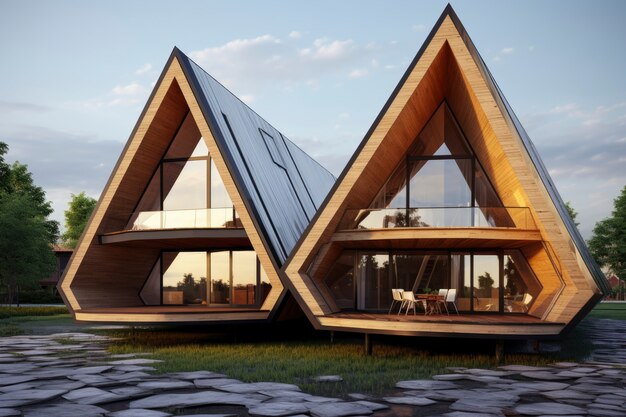
In the quest to create environmentally conscious living spaces, the use of sustainable materials stands out as a cornerstone of modern home design. Emphasizing eco-friendly construction, these green building materials not only reduce environmental impact but also enhance the quality and durability of homes. Reclaimed wood, bamboo, and recycled metal are among the top choices, providing both aesthetic appeal and sustainability. Bamboo, for example, is rapidly renewable, growing much faster than traditional timber, making it a low-impact choice for flooring and paneling. Similarly, recycled metal, when used in roofing and fixtures, reduces the demand for raw materials and energy-intensive manufacturing. Hempcrete, an innovative blend of hemp, lime, and water, offers excellent insulation while lowering carbon footprints. Employing these eco-friendly materials contributes significantly to environmental conservation by minimizing waste and promoting resource efficiency. In modern home design, they seamlessly blend form and function, offering stylish yet sustainable living solutions.
In the quest for designing sustainable living spaces tailored for modern lifestyles, incorporating energy-efficient design elements is paramount. At the forefront of this initiative is the integration of smart home technology, which allows residents to monitor and control their energy usage with unprecedented precision. Smart thermostats, automated lighting systems, and energy-efficient appliances collectively contribute to a low energy living environment. Meanwhile, effective insulation plays a vital role in minimizing the reliance on heating and cooling systems by maintaining a stable indoor temperature. Additionally, the strategic use of natural lighting not only reduces the necessity for artificial light but also enhances the overall ambiance of a home. Emphasizing large windows, skylights, and reflective surfaces encourages the influx of daylight, contributing to both energy savings and comfort. By weaving these energy-efficient design elements into the fabric of modern living spaces, we can significantly reduce energy consumption while enhancing the quality and sustainability of our homes.
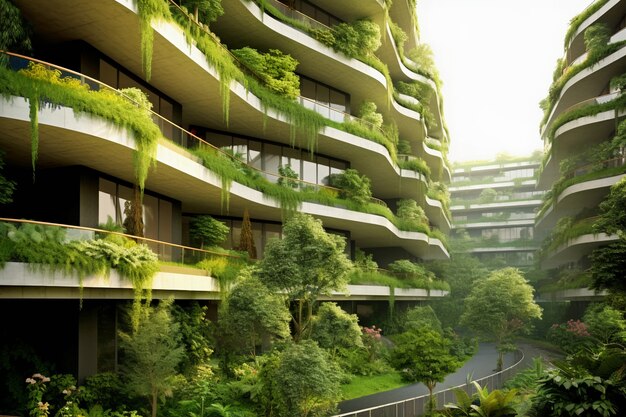
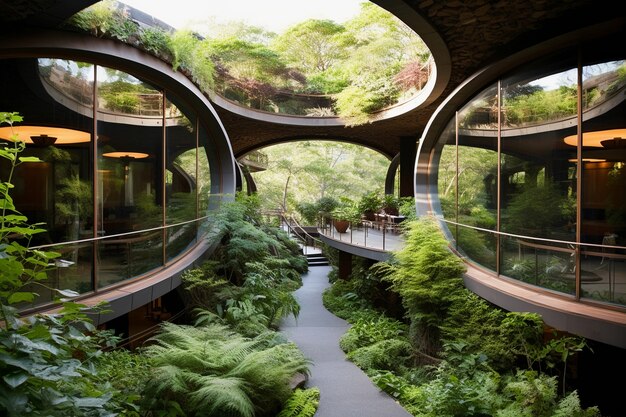
As urban areas continue to expand, the integration of nature into our built environment becomes crucial for sustainable living. Employing biophilic design principles, architects and planners are crafting urban spaces that foster a connection with the natural world, offering unparalleled benefits for both human well-being and ecological health. Urban green spaces, such as parks and rooftop gardens, serve not only as oases of calm and recreation but also enhance air quality, lower temperatures, and reduce stress levels among city dwellers. The concept of indoor-outdoor living elevates this by seamlessly blending internal and external environments, encouraging natural light and fresh air to flow through urban homes. Techniques such as living walls, indoor plant installations, and expansive windows that open to lush balconies, turn concrete jungles into verdant retreats. This confluence of nature and urbanity not only nurtures mental and physical health but also promotes a more resilient and aesthetically pleasing urban ecosystem.